Vocal Vagus: How Humming & Singing Support Nervous System Regulation
Mar 12, 2026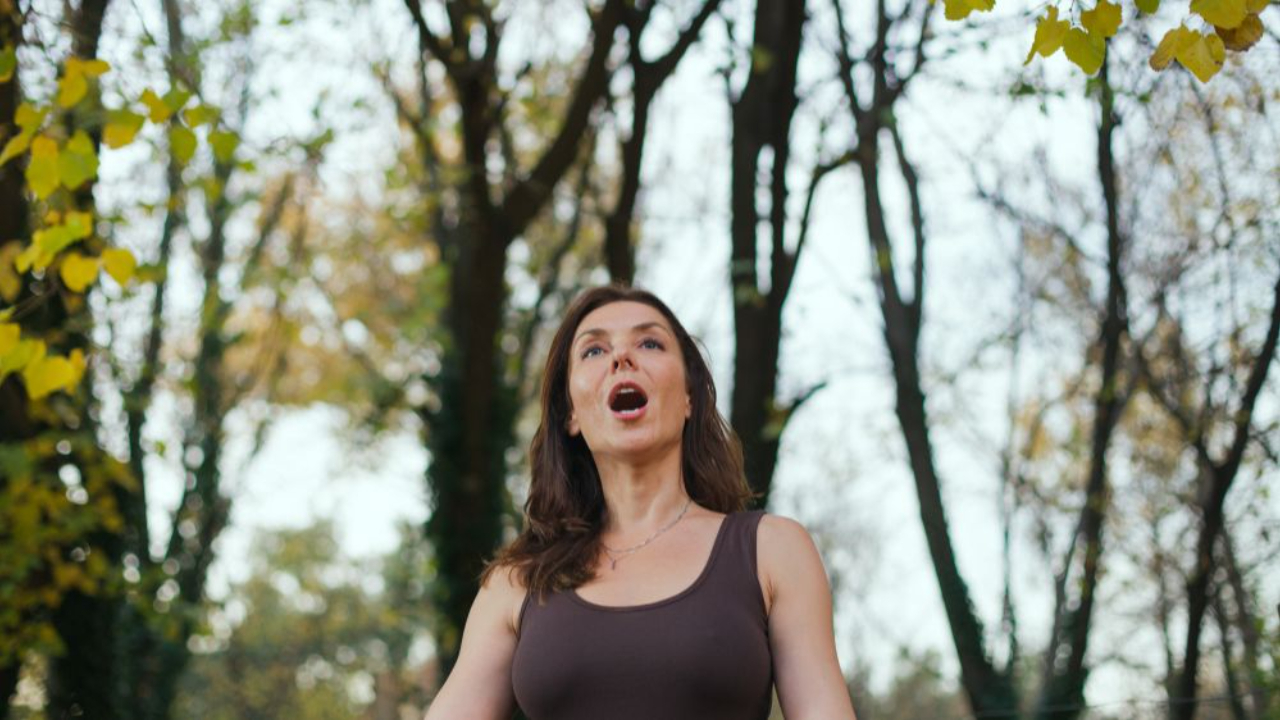
Vocal Vagus: How Humming, Singing & Gargling Support Nervous System Regulation
The Laryngeal Branch, Prosody & the Social Engagement System
The vagus nerve is not just a “calm down” switch.
It is deeply involved in how we connect, speak, listen, swallow, breathe, and regulate.
And one of its most overlooked pathways runs directly through your voice.
The Vagus Nerve & Striated Muscle
Many people think the vagus nerve only controls smooth muscle — like digestion and heart rate.
But it also innervates striated muscles in the throat and larynx.
Specifically:
• The recurrent laryngeal nerve (a branch of the vagus)
• The superior laryngeal nerve
• Muscles involved in phonation (voice production)
• Muscles involved in swallowing
• Parts of the pharynx
This is important.
Because when you use your voice — especially in slow, controlled, resonant ways — you are directly stimulating vagal pathways.
Polyvagal Theory & the Social Engagement System
Dr. Stephen Porges describes what he calls the social engagement system — a neural network that integrates:
• Facial expression
• Vocal tone (prosody)
• Head position
• Middle ear muscles
• Heart regulation
In his words:
“The neural regulation of the heart is linked to the neural regulation of the muscles of the face and head.”
The same vagal system that slows your heart also influences your vocal cords and facial muscles.
This means voice and regulation are not separate.
They are wired together.
When your voice is monotone, strained, or constricted, it often reflects autonomic state.
When your voice is prosodic (melodic, warm, rhythmic), it signals safety — both to others and to your own nervous system.
What Is Prosody?
Prosody is the rhythm, tone, and musical quality of speech.
Infants regulate through prosodic voice.
We calm babies not with words — but with tone.
Porges emphasizes that prosody is a safety cue. It communicates “you are safe” at a neural level.
And safety cues increase vagal tone.
Why This Matters for Anxiety & POTS
Anxiety often includes:
• Constricted breathing
• Tight throat
• Flat or strained voice
• Sympathetic activation
POTS and autonomic dysregulation may include:
• Poor heart rate recovery
• Dysregulated breathing
• Increased sympathetic spikes
Vocal vagal activation through humming, singing, or gargling may:
• Increase parasympathetic output
• Improve heart rate variability
• Reduce throat and diaphragm tension
• Support breath rhythm
• Encourage a safety state
This is not a cure.
But it is a regulatory input.
Why Humming Works
Humming:
• Vibrates the vocal cords
• Activates the laryngeal branch of the vagus
• Extends the exhale
• Increases nitric oxide in nasal passages
• Creates rhythmic sensory input
It combines:
Exhale + vibration + sound + rhythm
All of which are regulatory signals.
Gargling & the Vagus
Gargling activates muscles innervated by the vagus nerve in the pharynx.
Some clinicians have suggested this as a way to stimulate vagal tone because it engages those motor pathways.
While research is still developing, the anatomical rationale is clear:
You are activating vagally innervated striated muscle.
Singing & Group Regulation
There is growing research showing that singing in groups:
• Synchronizes breathing
• Improves heart rate variability
• Increases oxytocin
• Enhances social bonding
The social engagement system is activated when:
• We hear warm human voices
• We sing together
• We experience rhythmic synchrony
Connection itself is regulatory.
A Simple Vocal Vagus Practice
Try this for 2–3 minutes:
-
Sit upright.
-
Inhale gently through your nose.
-
Exhale while humming softly (“mmm” or “om”).
-
Keep the sound low and steady.
-
Feel vibration in your throat and chest.
-
Let the exhale be longer than the inhale.
No forcing.
No performance.
Just vibration and rhythm.
The Bigger Picture
Modern life reduces vocal connection.
• Texting replaces voice
• Screens replace face-to-face interaction
• Noise replaces rhythm
• Isolation replaces synchrony
If anxiety, dysautonomia, and emotional dysregulation are increasing, it may not only be stress.
It may also be reduced safety cues.
Your nervous system evolved to regulate through:
• Voice
• Face
• Breath
• Rhythm
• Connection
Vocal activation is not about singing well.
It is about reminding your nervous system:
You are not alone.
You are safe enough to make sound.
And sometimes, that shift is profound.
Lorem ipsum dolor sit amet, consectetur adipiscing elit. Cras sed sapien quam. Sed dapibus est id enim facilisis, at posuere turpis adipiscing. Quisque sit amet dui dui.
Stay connected with news and updates!
Join our mailing list to receive the latest news and updates from our team.
Don't worry, your information will not be shared.
We hate SPAM. We will never sell your information, for any reason.